Building AI Capability for Future Citizens: From School Innovation to National Educational Impact
As the Ministry of Education and Training advances a roadmap to pilot AI education at the general education level from late 2025, Wellspring Hanoi International Bilingual School has affirmed its pioneering role by implementing a comprehensive AI education program from Grade 1 to Grade 12 starting in July 2025.
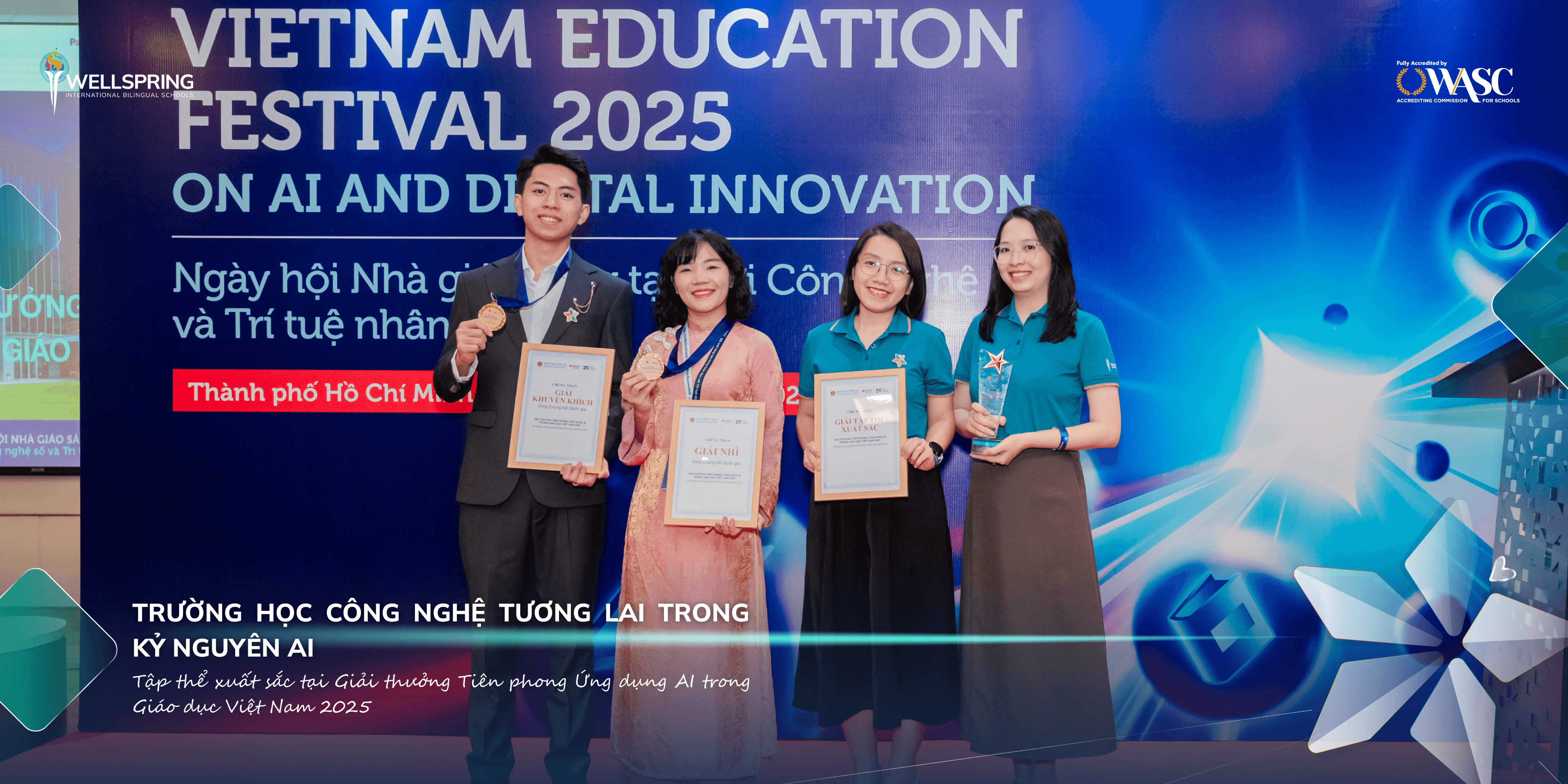
This strategic direction was recognized at the Vietnam AI in Education Pioneer Awards 2025, where Wellspring Hanoi was honored with the Outstanding Collective Award, alongside 2 projects in the Top 50, 2 projects in the Top 100, 1 Second Prize, and 1 Consolation Prize at the Final Round. These achievements reflect not only professional competence, but more importantly, a well-grounded, consistent, and long-term strategy for AI education, one that goes beyond short-term trends. It represents an internationally aligned AI capability development pathway based on Continuity – Progression – Coherence.
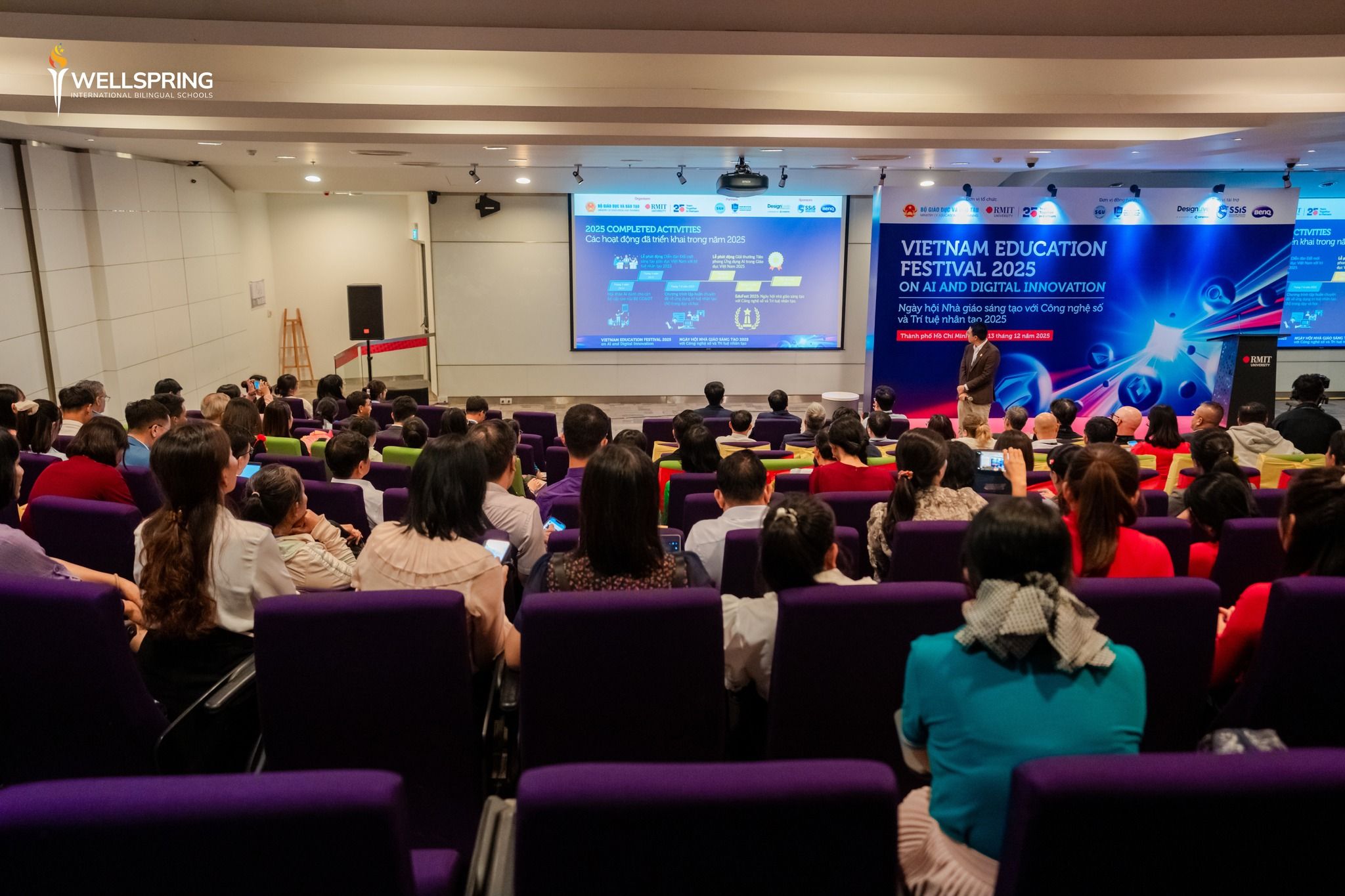
In the global context, AI in education is no longer merely a matter of technology adoption; it has become a measure of how deeply and authentically a school system innovates. At Wellspring, AI innovation is not assessed by the number of tools in use, but by the lasting value AI education brings to learners, the school community, and the broader educational ecosystem.
The core of Wellspring’s AI education strategy lies not in “teaching AI early”, but in building AI capability as a complete, scalable system:
Internationally aligned curriculum, developed based on reference frameworks from MIT and UNESCO, and reviewed and refined by the Wellspring Education Council, ensuring academic rigor, ethical grounding, and contextual relevance to Vietnam.
A 12-year AI capability development system, ensuring continuity and coherence across grade levels, while being developmentally appropriate from early exposure and conceptual understanding to responsible application and creative use.
Systemic capacity and collective strength, where innovation does not rely on individual initiatives, but is embedded across the teaching staff and school structure through professional development, learning projects, and academic platforms.
A shareable and referential model, open to contributing practical insights to the wider education community rather than remaining internally confined, an approach widely regarded by advanced education systems as a benchmark of sustainable innovation.
In the global context, AI in education is no longer merely a matter of technology adoption; it has become a measure of how deeply and authentically a school system innovates. At Wellspring, AI innovation is not assessed by the number of tools in use, but by the lasting value AI education brings to learners, the school community and the broader educational ecosystem.
The core of Wellspring’s AI education strategy lies not in “teaching AI early”, but in building AI capability as a complete, scalable system:
Internationally aligned curriculum, developed based on reference frameworks from MIT and UNESCO, and reviewed and refined by the Wellspring Education Council, ensuring academic rigor, ethical grounding, and contextual relevance to Vietnam.
A 12-year AI capability development system, ensuring continuity and coherence across grade levels, while being developmentally appropriate from early exposure and conceptual understanding to responsible application and creative use.
Systemic capacity and collective strength, where innovation does not rely on individual initiatives, but is embedded across the teaching staff and school structure through professional development, learning projects, and academic platforms.
A shareable and referential model, open to contributing practical insights to the wider education community rather than remaining internally confined, an approach widely regarded by advanced education systems as a benchmark of sustainable innovation.
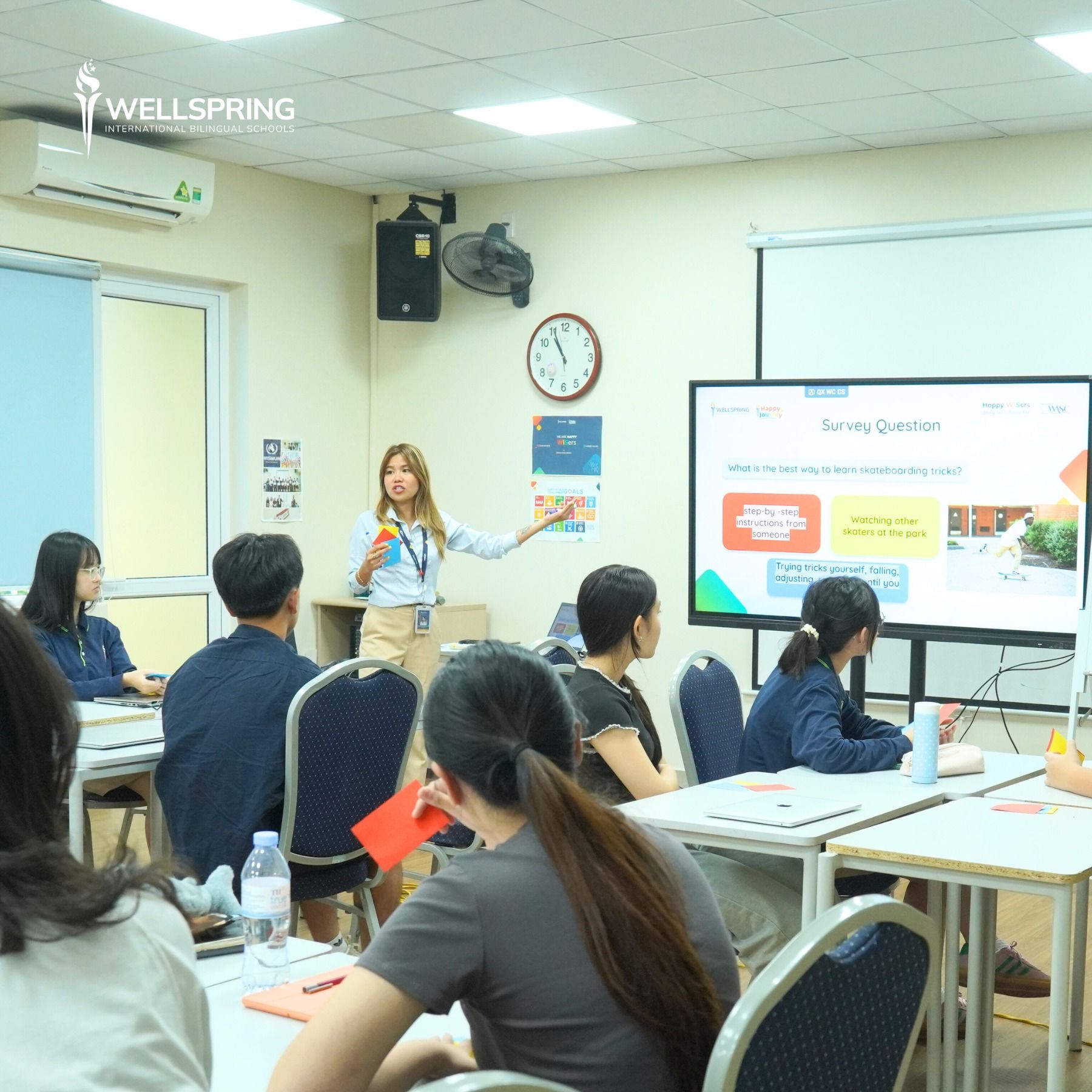
Embodying the spirit of #Generous_WISers, Wellspring goes beyond training technologically proficient individuals to nurturing learners who share knowledge, use AI for the common good, and create long-term positive impact. In this approach, AI is not an end in itself, but a means to expand understanding, reinforce trust in human-centered education, and promote social responsibility in the digital age.
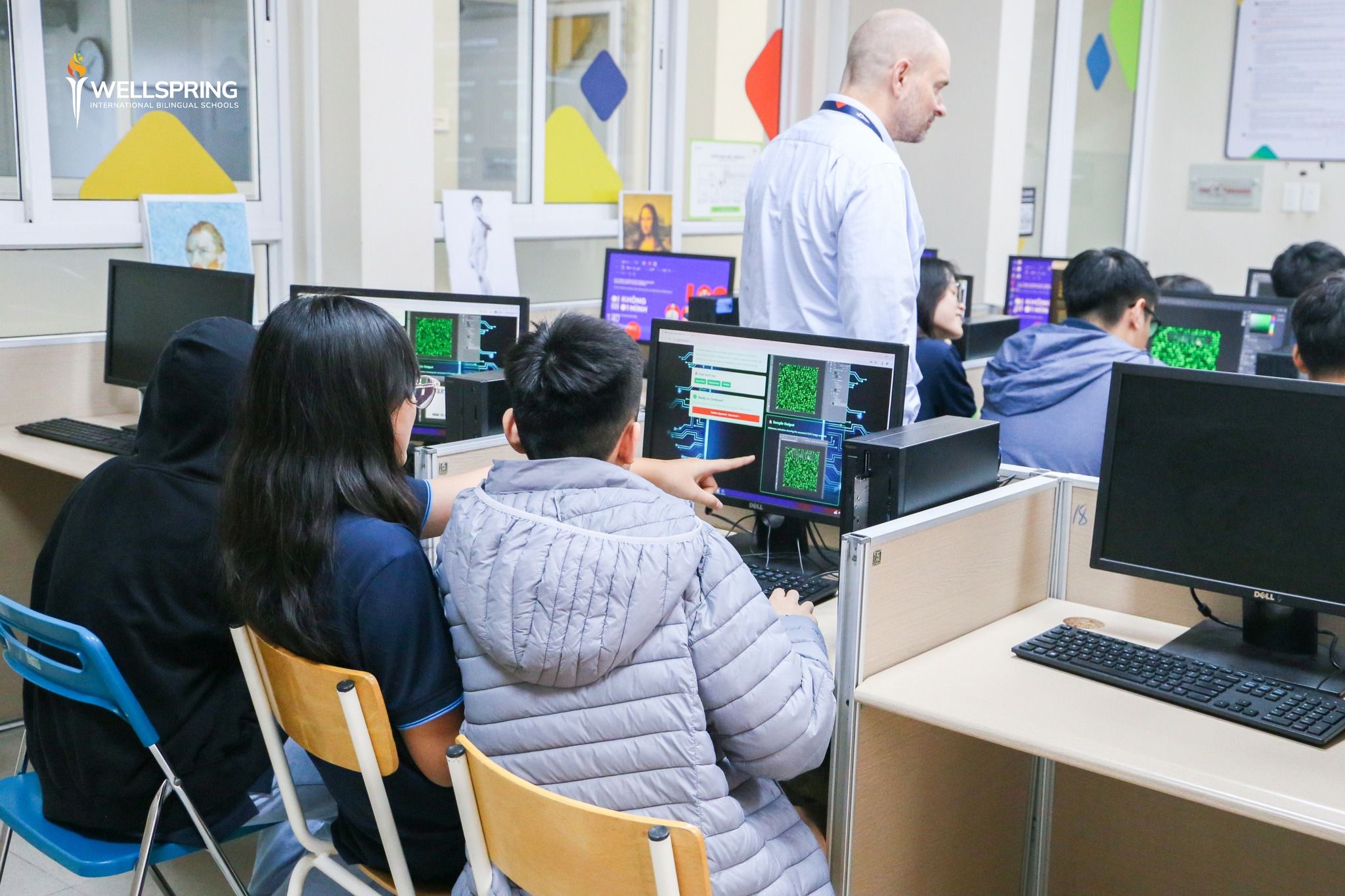
From classrooms to school governance, AI at Wellspring is placed in its rightful role: not as a replacement for humans, but as a companion to the holistic development of each learner, contributing to a sustainable pathway for Vietnamese education in the era of Artificial Intelligence.
AI Implementation in Education: “Empower AI – A Future-Ready Program”
In the era of artificial intelligence, AI education is one of the core competencies of future citizens. UNESCO defines AI literacy as a foundational capability of digital citizenship, while the OECD considers it an essential component of future-ready citizenship. Therefore, the responsibility of education goes beyond simply “teaching AI” - it is about teaching it in the right way, with sufficient depth and clear direction.
As the Ministry of Education and Training moves forward with piloting AI education in general education from late 2025, Wellspring Hanoi affirms its pioneering role by having already implemented a structured and systematic ICT & AI core curriculum from Grade 1 through Grade 12. The program is designed not only to meet but to go beyond current AI competency requirements, in alignment with Circular 02/2025/TT-BGD&ĐT and global AI competency frameworks such as the UNESCO AI Literacy Framework.
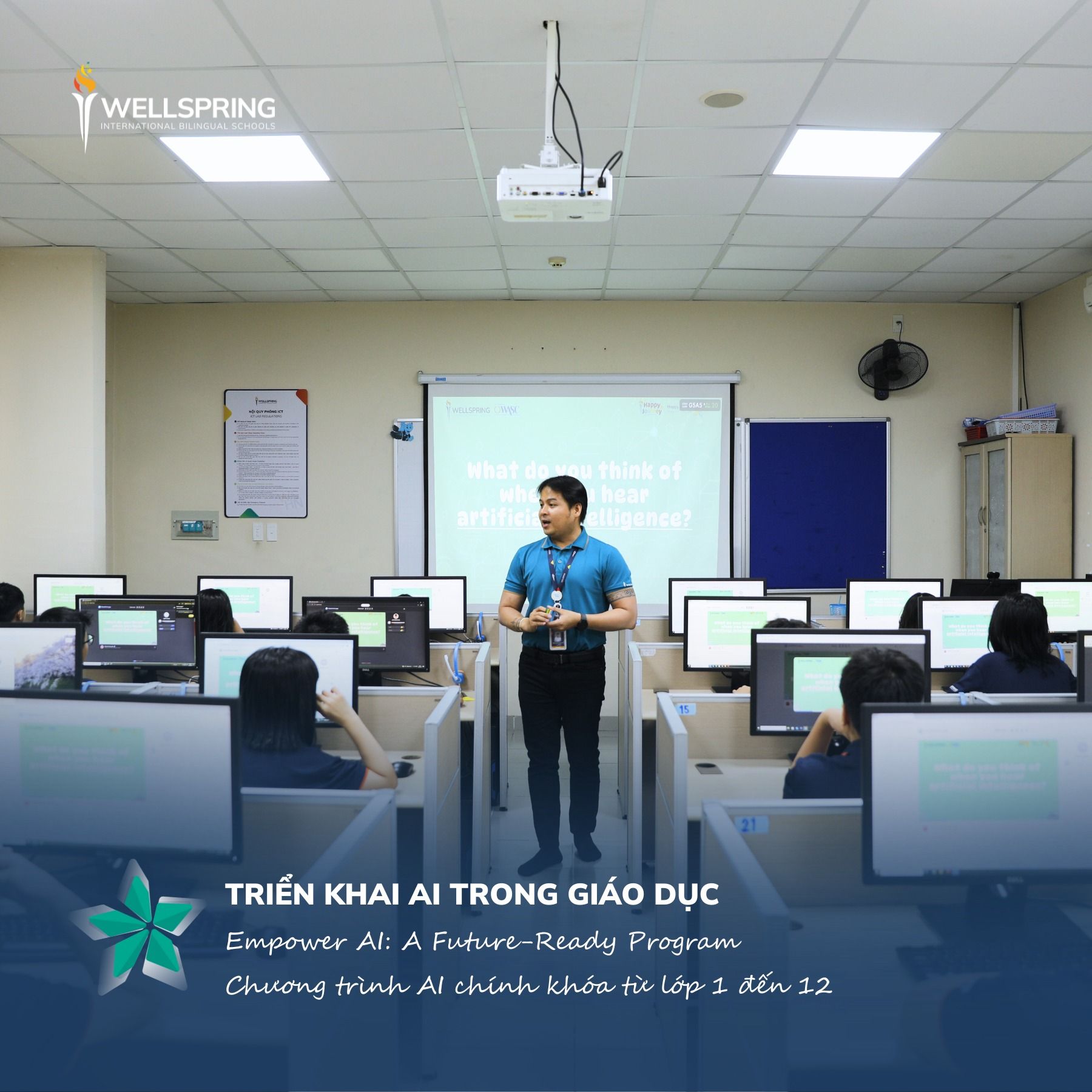
The AI education program - Empower AI: A Future-Ready Program, is developed based on the Day of AI materials created by MIT RAISE (Massachusetts Institute of Technology) and further refined by the Wellspring Education Council (100% PhD holders) to ensure relevance to Vietnamese learners. The program focuses on equipping students with a deep understanding of how AI works, the ability to apply AI effectively in learning and daily life, and the development of ethical thinking, responsibility, and critical skills to verify and evaluate technology-generated outputs.
From the classroom, Wellspring is not merely implementing an AI program, but contributing to the development of AI capacity for the next generation of citizens - learners who can master technology, integrate confidently into a global context, and act responsibly in the digital age.
Empower AI: A Future-Ready Program – Official AI curriculum starting from the 2025–2026 school year (Read HERE for more information)
From School to an Open Education Model: Wellspring Ready to Share with the Global Education Community
At Wellspring Hanoi, AI education is approached as an open learning journey, one in which the school is ready to share, engage in dialogue, and continue learning alongside the wider education community.
Beyond implementing a formal, schoolwide AI curriculum for students, Wellspring actively participates in and organizes academic activities such as forums, workshops, professional exchanges, and opportunities to engage with leading experts in education and technology. These spaces enable the school to share practical experiences, listen to diverse perspectives, and collectively explore how AI can be integrated into education in a responsible, learner-centered way.
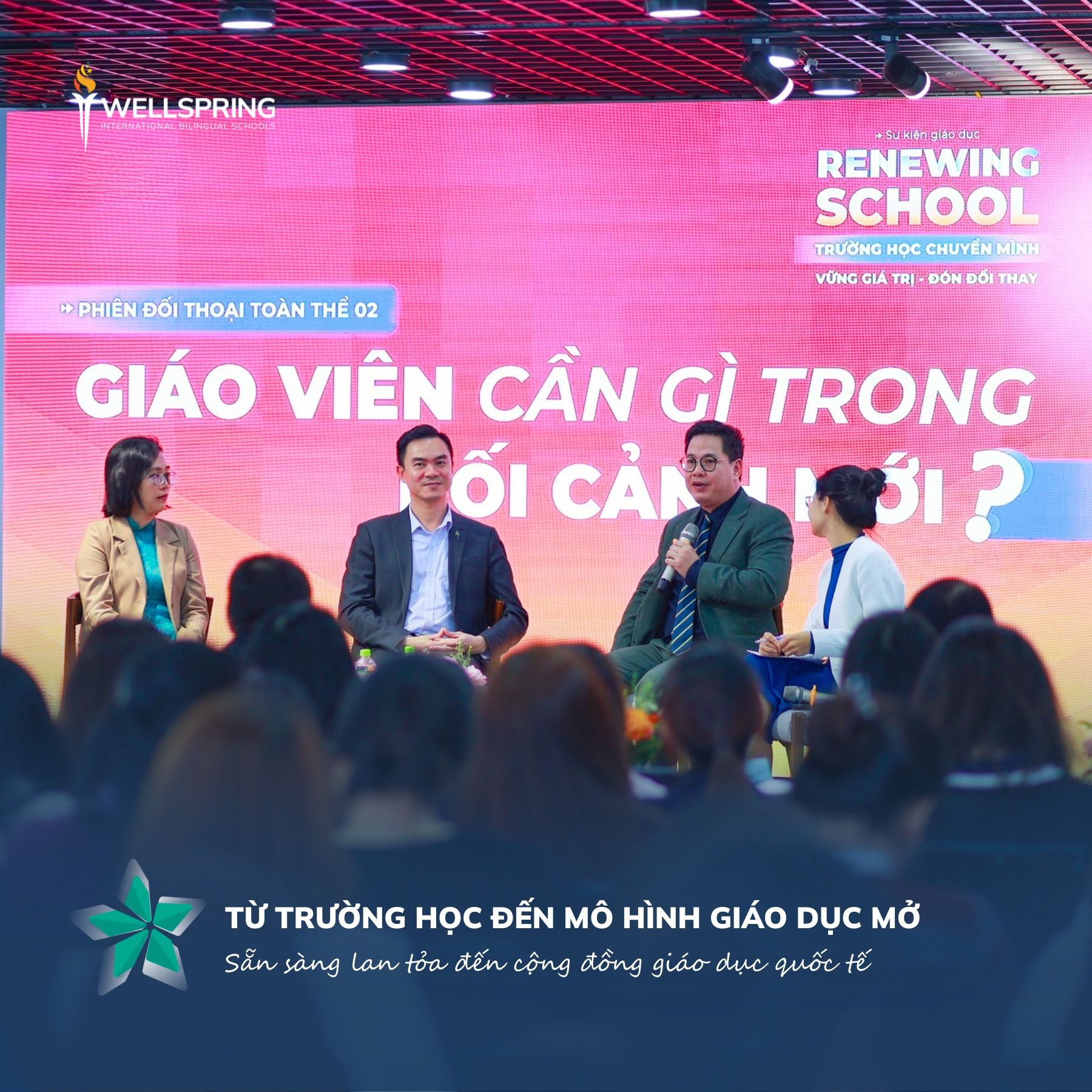
At the RENEWING SCHOOL – School Transformation event organized by FAROS Education & Consulting, Dr. Nguyễn Vĩnh Sơn, General Principal of Wellspring Hanoi, participated as one of the speakers in Plenary Dialogue Session 2 under the theme “What Do Teachers Need in the New Context?”.
The session brought together respected experts including Assoc. Prof. Dr. Tran Thanh Nam, Dr. Nguyen Vinh Son, MA. Dang Thi Thu Ha, and MA. Nguyen Hoang Chieu Anh, who met to share insights into the core needs of today’s teaching workforce from mental well-being and professional capacity to supportive environments and mechanisms that enable teachers to adapt and grow sustainably alongside their schools.
RENEWING SCHOOL is designed as an in-depth dialogue space for school leaders, educators, and education experts, set against the backdrop of a rapidly evolving Vietnamese education landscape facing multiple challenges: student enrollment, staff quality, parent school relationships, and the demand for teaching and learning innovation. Through panel discussions and hands-on workshops, the event offers diverse perspectives and practical solutions centered on three key pillars of modern schooling: Admissions - Human Resources - Teaching & Learning.
Beyond experience sharing, RENEWING SCHOOL aims to energize educators with renewed inspiration, empowering each school to “transform” in its own way, remaining resilient amid change while staying true to its core identity and values.
Read the full article HERE
The Power of Community Collective Action: Consistent, Systemic, and Continuous Innovation Capacity
In a context where AI is becoming the shared language of global education, Wellspring Hanoi believes that educational innovation cannot begin with technology, it must begin with teachers, the ones who directly guide and shape students’ learning journeys.
At Wellspring, teachers receive systematic and continuous training in AI through official programs from MIT and international education experts, alongside internal workshops, professional learning communities, and teaching simulations. In particular, the annual Winnovators – Breakthrough Minds competition serves as a dynamic platform where teachers and staff share innovative ideas in teaching, elevate school management, and contribute to building a sustainable education ecosystem.
As a result, Wellspring educators do not merely master AI knowledge and tools; they integrate AI into learner-centered, humanistic, and personalized teaching approaches. Each WISer learns in alignment with their own abilities, developmental pace, and individual strengths ensuring AI learning experiences that are truly effective, engaging, and meaningful.
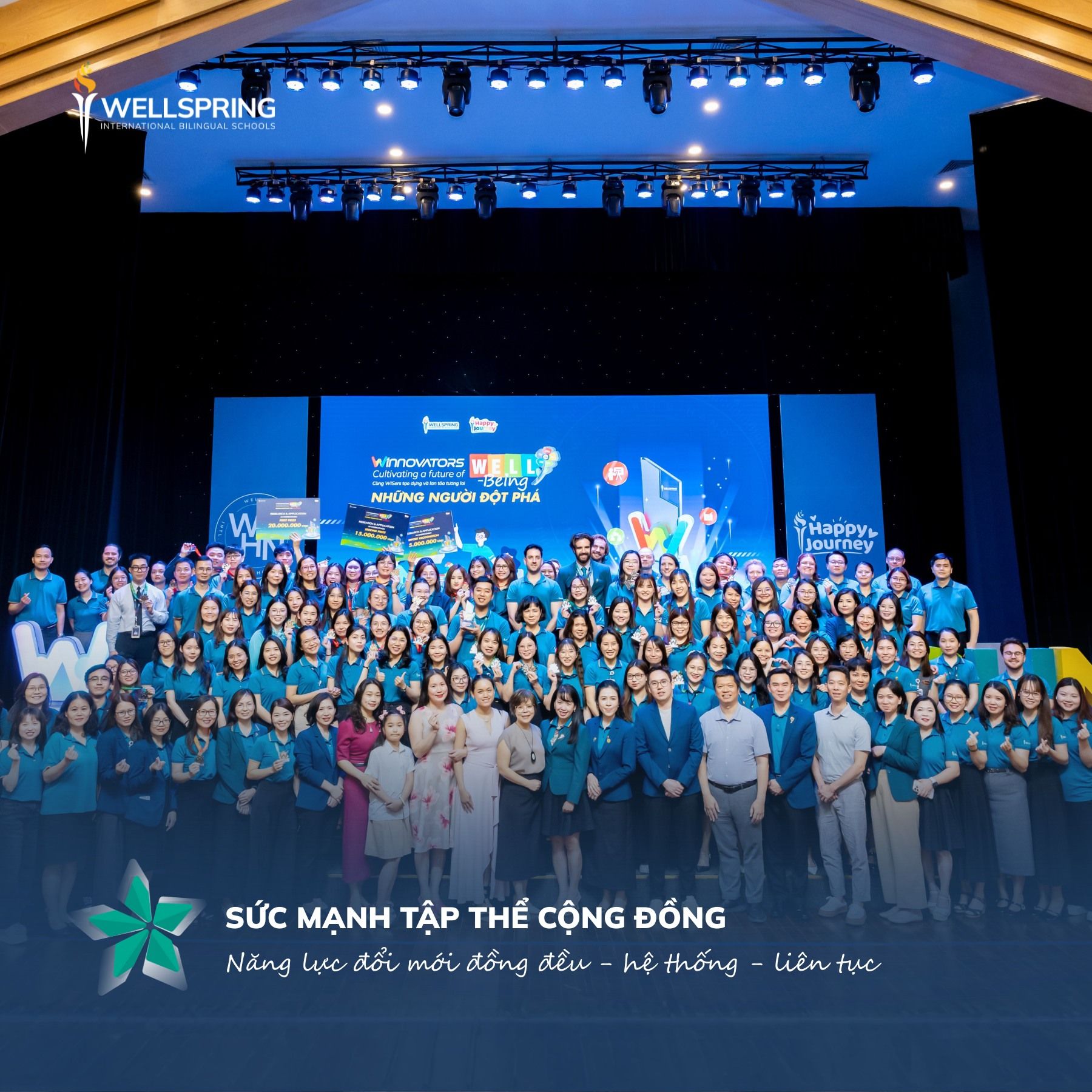
This sustained commitment is reflected in a series of notable achievements:
At the Vietnam Education Innovation Forum with Artificial Intelligence, Wellspring Hanoi was honored with:
Outstanding Collective Award – Pioneer in AI Application in Vietnamese Education
02 projects in the Top 50 and 02 projects in the Top 100
01 Second Prize (Ms. Trần Thị Kim Minh – Secondary Teacher) and 01 Consolation Prize (Mr. Trần Việt Hoàng – Secondary Teacher) at the Final Round.
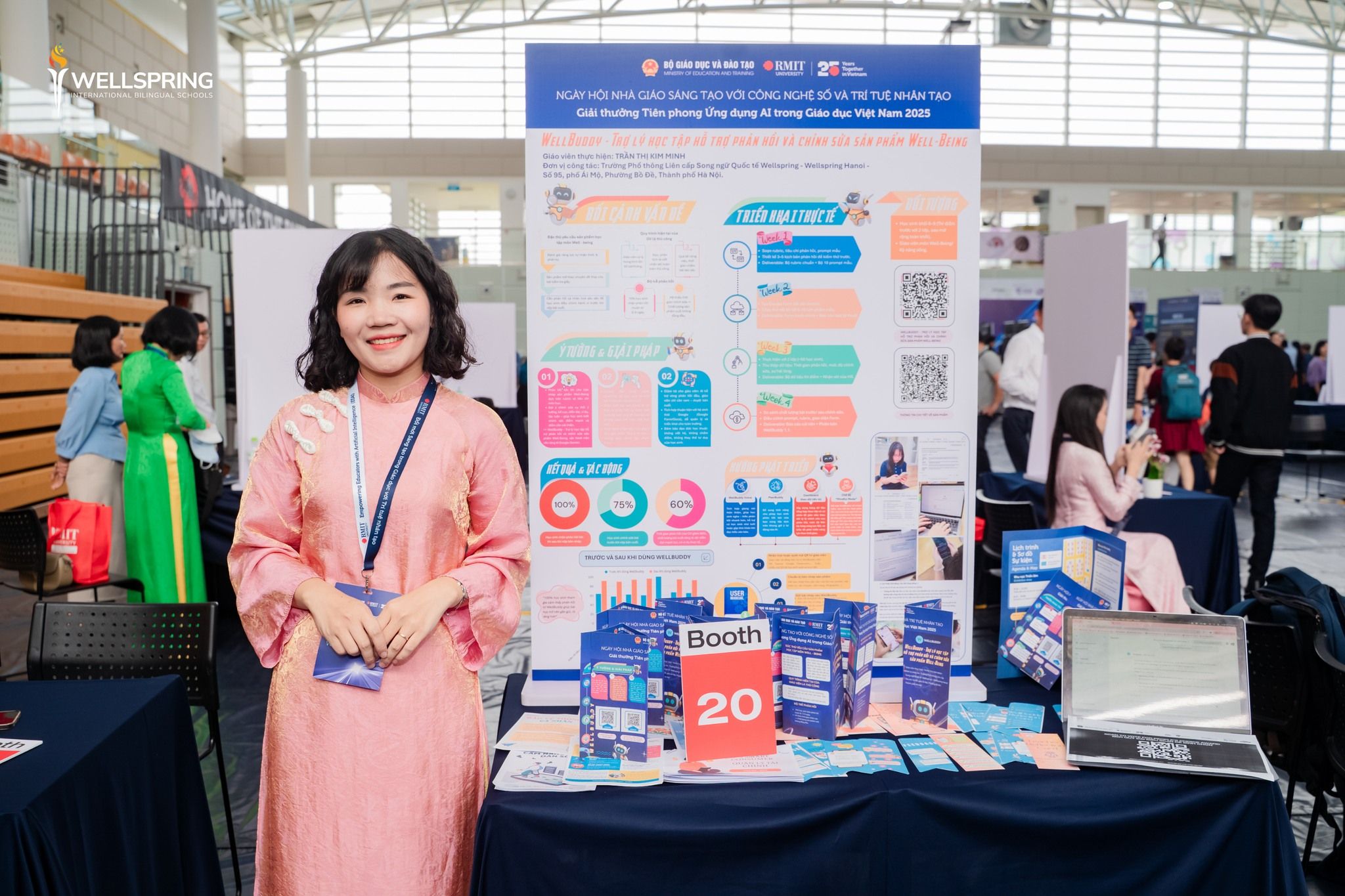
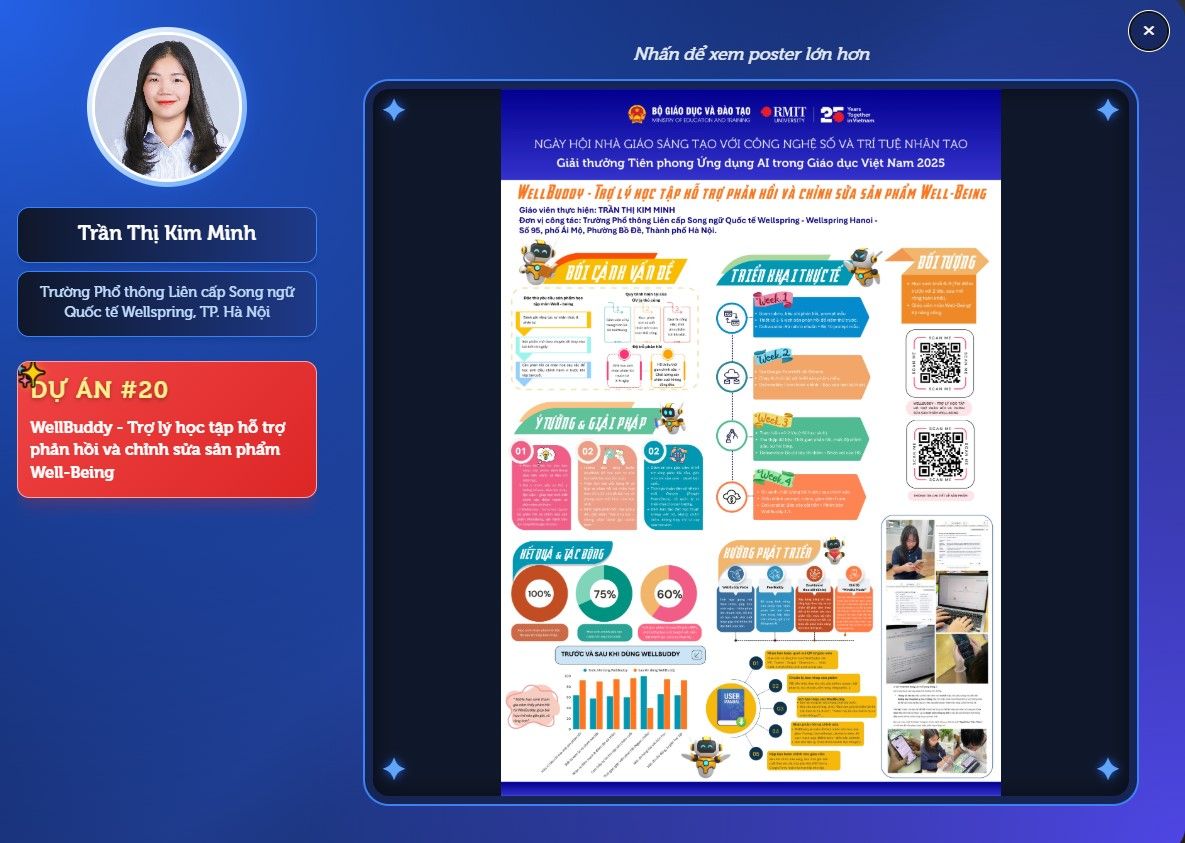
Ms. Trần Thị Kim Minh (Secondary Teacher) was awarded Second Prize for her project WellBuddy – an AI-powered learning assistant supporting feedback and revision in the Well-Being subject.
WellBuddy is an AI-based learning assistant designed to support feedback and revision of Well-Being learning products for lower secondary students. The project emerged from a very practical challenge in schools today: while AI can provide fast feedback, it often lacks pedagogical depth; meanwhile, teachers face heavy workloads, and students are at risk of relying on AI to write on their behalf.
Rather than allowing AI to replace learners, WellBuddy is built on a clear philosophy: AI supports reflection, it does not replace thinking. The tool helps students understand feedback, revise their own work, and develop self-awareness, while also reducing teachers’ manual feedback workload without compromising personalization or academic integrity.
What sets WellBuddy apart is its redefinition of AI’s role in the classroom across three key dimensions: AI feedback is aligned with subject-specific rubrics; AI does not write for students but requires them to revise their work independently; and the system ensures academic ethics and age-appropriate use.
Thanks to its simple and flexible design, WellBuddy can be scaled and adapted across multiple subjects with open-ended learning products, such as Life Skills, SEL, Literature, and interdisciplinary projects. The tool operates on familiar platforms, making it easy to implement and tailor to different classroom contexts.
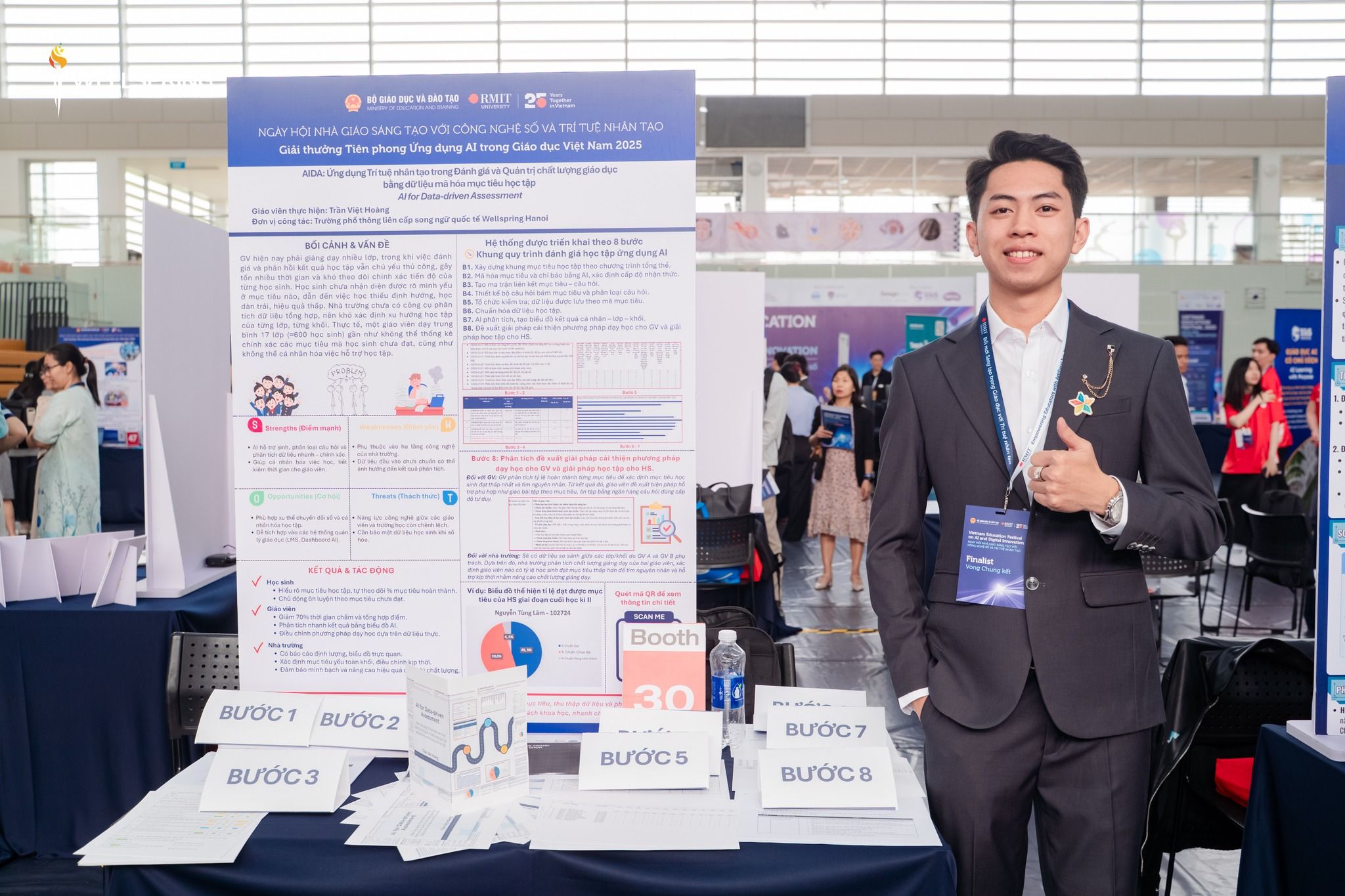
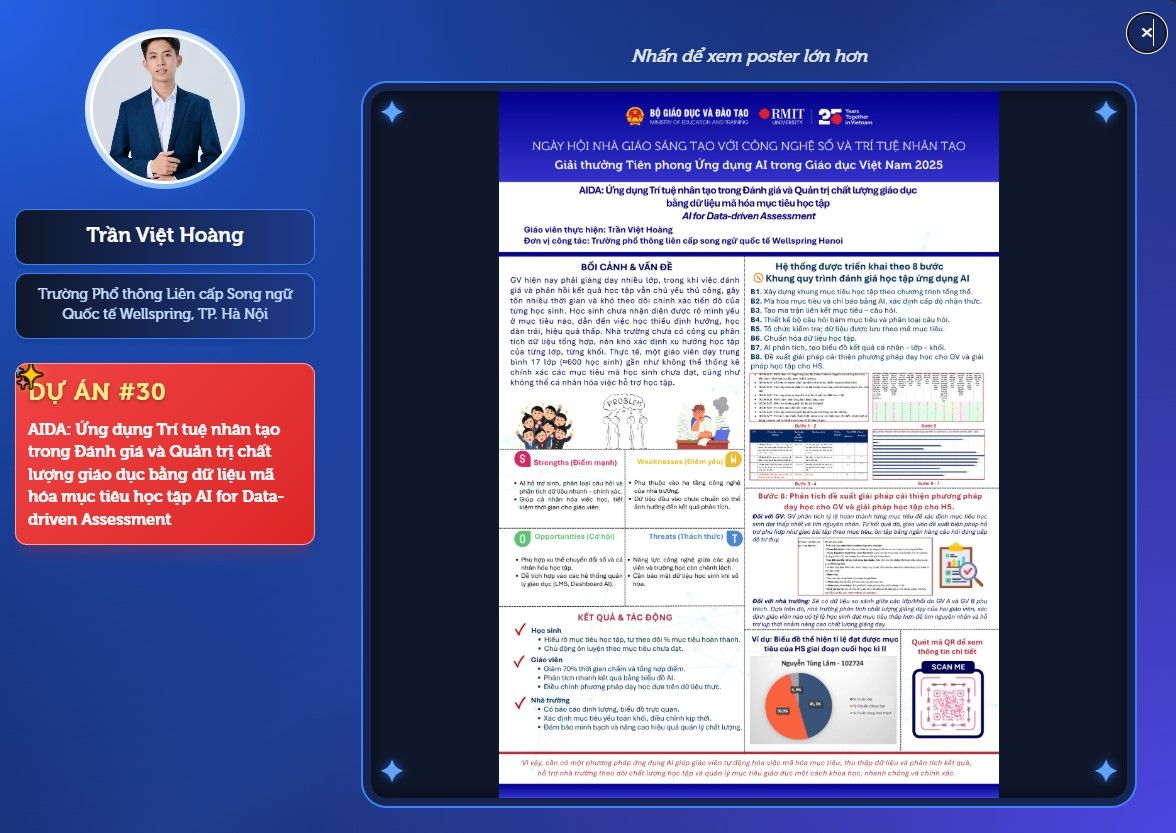
Mr. Trần Việt Hoàng (Secondary Teacher) was awarded the Encouragement Prize for the project “Applying Artificial Intelligence in Educational Quality Assessment and Management through Encoded Learning Outcome Data.”
The project addresses a core challenge in today’s general education system: learning assessment remains largely manual, lacks aggregated data, and makes it difficult to track the achievement of learning objectives at the individual student, class, and grade levels.
Drawing from the reality that a single teacher may teach up to 17 classes (approximately 600 students), the project develops an AI-powered, data-driven assessment process. In this approach, learning objectives from the 2018 General Education Curriculum are encoded, linked, analyzed, and visualized, enabling teachers and school leaders to make instructional decisions that are more scientific, timely, and transparent.
The judging panel highly valued the project’s practical relevance and innovative approach, particularly its strong alignment between curriculum, assessment, and instructional improvement moving beyond simple right-or-wrong evaluation.
The project’s distinctiveness lies in embedding AI at the core of the assessment process. Tests are designed based on a learning objective–question matrix, ensuring alignment, standardization, and fairness. From the analyzed data, AI not only reports outcomes but also suggests pathways for improvement: teachers can adjust teaching strategies and redesign learning activities around unmet objectives, while students are guided to review and strengthen the specific competencies they need to develop.
The S-TECH Wellspring Hanoi team won the Second Prize – AI Visioneers Award and the Inspirational Tech Learning Award – Tech Pioneer at the AI for SuperTeachers Award 2025, co-organized by the Ministry of Education and Training, UNICEF Vietnam, and FPT Education.
259 teachers earned the Microsoft Innovative Educator Expert title, making Wellspring the school with the highest number of Microsoft Innovative Educators in Vietnam and earning recognition as a Microsoft Showcase School.
These achievements go beyond competition results; they reflect a sustained journey of innovation, a culture of lifelong learning, and the proactive adaptability of Wellspring’s teaching community amid rapid global educational change. At Wellspring, AI is not a trend, it is a tool to enhance academic quality, optimize school management, and better support the holistic development of learners.
In the era of artificial intelligence, Wellspring Hanoi continues to affirm its role as a pioneering school, ready to innovate every day while walking alongside teachers and students toward a sustainable future of education.
Read more about the spirit of Creating the Future – Breaking Boundaries – Ready to Innovate in the Winnovators – Breakthrough Minds 2025–2026 competition: HERE
In addition, Wellspring Teachers and Staff Proactively Strengthen Their AI Competencies, Spreading the Momentum to Earn the Gemini Certified Educator Credential
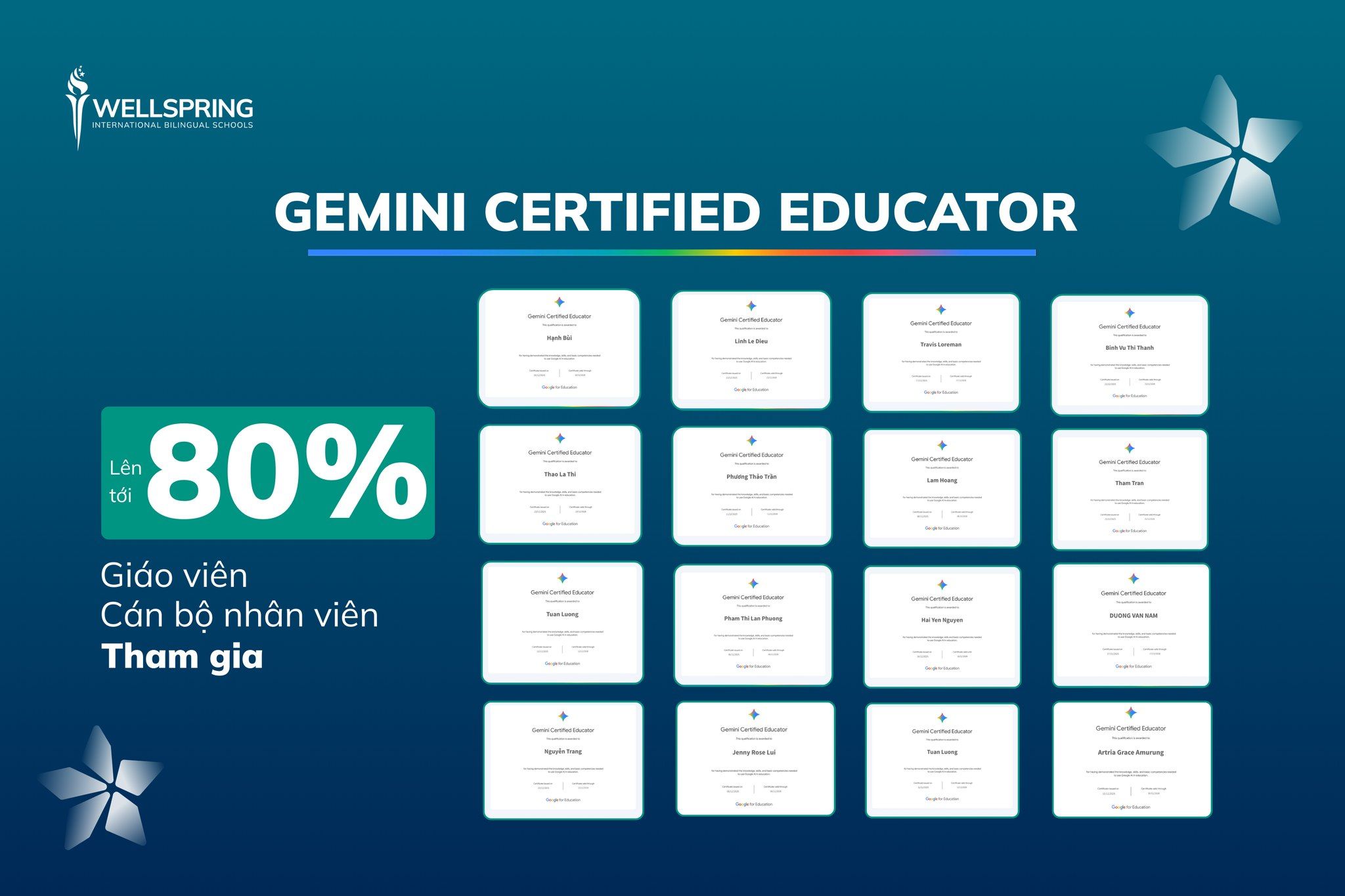
Driven by a strong commitment to self-directed learning and professional upskilling amid rapid technological change, Wellspring teachers and staff have proactively pursued the Gemini Certified Educator credential, an AI certification within Google’s ecosystem. Google is one of the world’s leading technology and education organizations, with Google for Education widely adopted across schools.
The certification assessment goes beyond basic tool familiarity, focusing instead on the core competencies educators need in the AI era, including:
The functions and practical use of Gemini, NotebookLM and Google Classroom.
Ethics and responsibility in applying AI in education.
Effective prompt-writing techniques.
Real-world applications of Gemini and AI within school contexts.
This journey offers teachers valuable opportunities to practice, self-assess, and refresh their professional skills, helping to cultivate a proactive learning community, where AI is embraced as a tool to support thinking, enhance educational quality, and better serve teaching, learning, and school operations.
Core Pillars of AI Education: From AI Literacy to Digital Ethics for Global Citizens
AI education at Wellspring Hanoi is not implemented in isolated segments by grade level; instead, it is designed as a coherent, long-term competency development journey from Grade 1 through Grade 12 - an approach regarded as pioneering in Vietnam’s general education landscape today.
With a Spiral Curriculum structure, students engage with AI through a clearly defined progression: from early awareness and creative exploration, to data analysis, AI ethics, critical thinking, and the design of technology-based solutions. Each stage is thoughtfully differentiated in terms of cognitive demand, application, and responsibility, allowing AI competencies to grow naturally alongside students’ overall development.
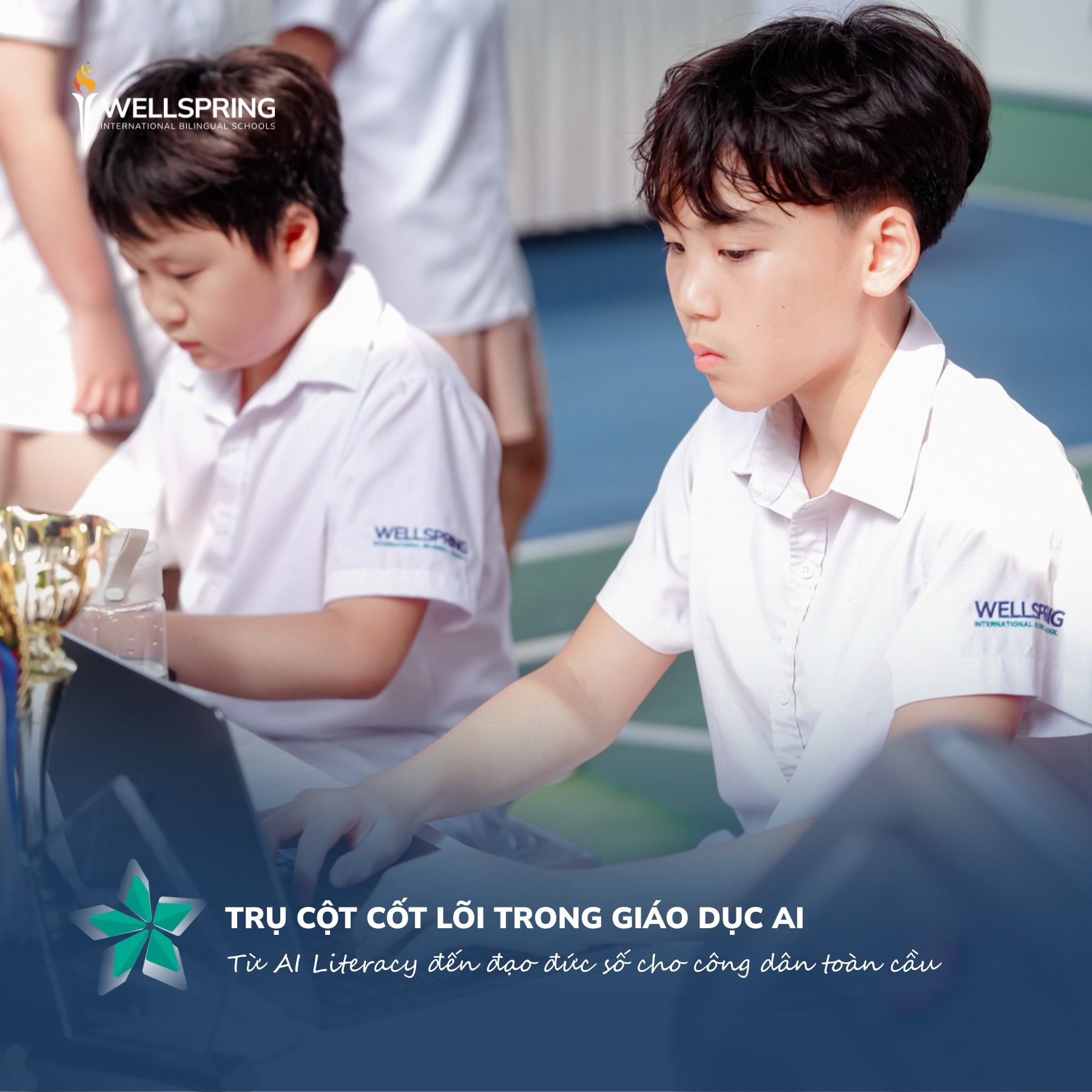
The program focuses on three strategic pillars:
Understanding AI Principles (AI Literacy): Guides students to clearly distinguish between programming rules and machine learning, as well as between classification AI and generative AI.
Applying AI in Learning and Daily Life: Students gain hands-on experience with modern AI tools such as Canva, Microsoft Copilot, CapCut, AutoDraw, Word Editor, Excel AI, and ChatGPT.
Digital Ethics & Responsible AI Use: This is a cross-cutting focus, training students to verify, attribute, and critique AI outputs, fostering safe and human-centered technology thinking.
According to international education standards, a high-quality AI program must ensure continuity, progression of competencies, and coherence in educational philosophy, core principles that are fully embedded in Wellspring’s AI education framework.
Emotional Intelligence in Harmony with Digital Skills: Empowering Students to Develop Holistic, Flexible, and Adaptive Competencies in the Technology Era
At Wellspring, the AI program is designed around a clear and logical progression Understand - Apply - Create, ensuring that students engage with AI in ways that are appropriate to their age and developmental readiness.
Stage 1 – Foundations: Awareness & Creativity: At the Primary level (in line with MOET regulations), students are introduced to AI through intuitive, hands-on experiences such as image and voice recognition. They are also exposed early to Generative AI, experimenting with creative prompts to explore ideas and express themselves, nurturing technological thinking in a natural, engaging way.
Stage 2 – Ethics & Data Analysis: At the Lower Secondary level, students explore the core principles behind AI, including data and algorithms. A strong emphasis is placed on ethical awareness through the Verify – Attribute – Critique framework, helping students learn to fact-check information, protect data privacy, and use AI responsibly.
Stage 3 – Creation & Career Orientation (aligned with MOET’s draft framework): At the Upper Secondary level, students deepen their critical thinking and advanced AI application skills. AI becomes a learning partner in in-depth projects, where students analyze algorithmic bias, explore machine learning, design digital products, and develop technology-based solutions connected to future career pathways.
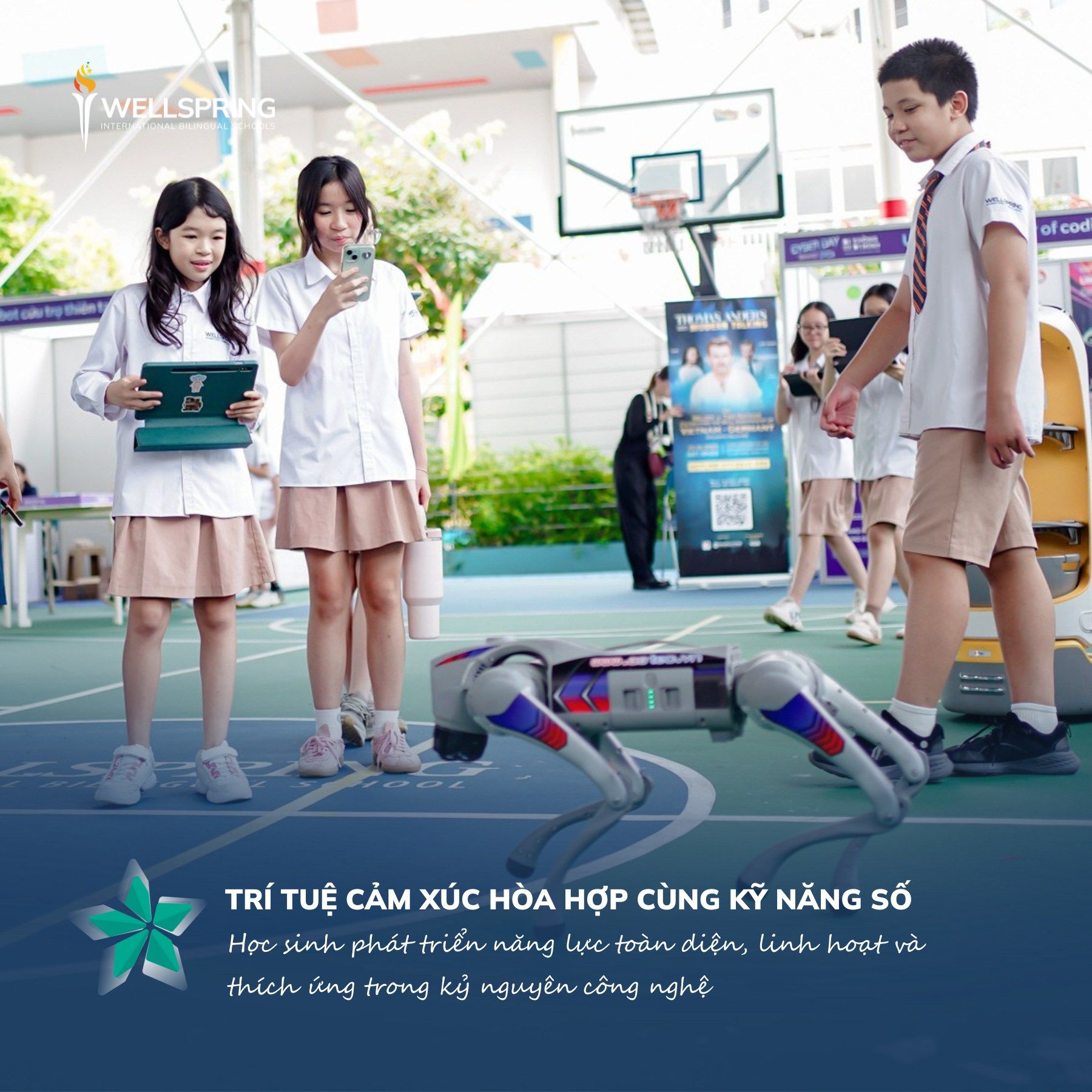
Across all grade levels, students are guided to use AI through five clearly defined levels from BLOCK to BOOST ensuring academic integrity while fostering authentic creativity. In parallel, AI is seamlessly integrated across subjects and interdisciplinary learning experiences: from ESL/ELA/Debate, where students write essays, engage in debates, and evaluate sources on AI-related topics; to interdisciplinary projects, where AI supports research, media design, video editing, and product creation; and ICT classes, where students learn coding, build simple AI models, analyze data, and solve real-world problems.
AI does not sit outside the classroom, it lives within subjects, interdisciplinary projects, and creative learning spaces empowering every WISer to confidently master technology, think critically, and create meaningful value in the digital age.
Read more about the Debate Showcase (part of Cyber Peace 2025: Beyond the Hanoi Convention) to experience the confidence and mindset of Wellspring’s digital ambassadors in the age of technology: HERE